Revolutionizing App Development: Android’s New AI Intelligence System
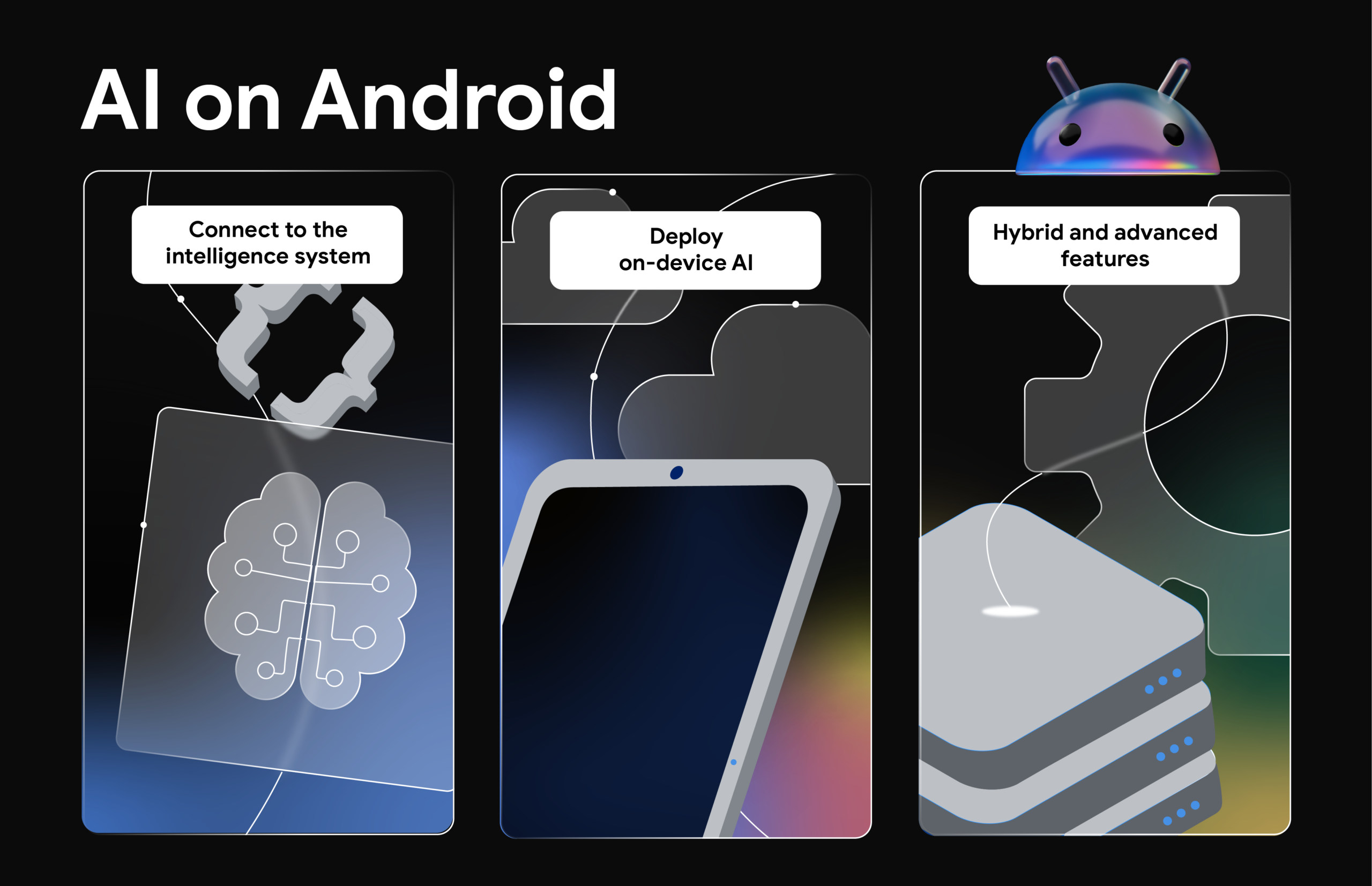
At Google I/O 2026, a significant transformation in the Android ecosystem was unveiled, marking a transition from a traditional operating system to an advanced intelligence system. This shift aims to empower developers to create intelligent applications that harness the capabilities of Google’s AI technologies.
Integrating AI into Your Applications
One of the standout features introduced is the ability to place your apps at the center of the intelligence system. The Android OS now supports agents like Gemini, which can automate tasks and navigate applications on behalf of users. The introduction of AppFunctions, part of the Android Model Context Protocol (MCP), provides developers with enhanced control over their app’s integration with the intelligence system.
- AppFunctions Overview: This new platform API and Jetpack library is currently in experimental preview, allowing developers to create applications that act as on-device MCP servers.
- Seamless Integration: Developers can effortlessly share their app’s tools, services, and data with the intelligence system and its agents.
- Testing and Development: A new test agent is available for developers to experiment with and debug their AppFunctions in a simulated environment.
- Early Access Program: Developers interested in deploying app functions in production can join the early access program.
Gemini Nano 4: Enhanced On-Device AI Capabilities
Following the launch of Gemini 4, developers can now preview and prototype with the next generation of Gemini Nano (Nano 4) models through the AIcore developer preview. This advancement promises to make production with Gemini Nano more reliable and efficient.
- Transitioning to Production: The ML Kit GenAI APIs enable developers to move from prototyping to building production-ready applications using the Gemini Nano 4.
- Structured Output API: This upcoming API will facilitate the definition of object classes for output from the Prompt API, ensuring reliable outputs for intelligent features.
- Improved Inference Performance: The new Prefix caching feature significantly reduces inference time by storing and reusing intermediate states of processing shared prompts.
- Custom Language Models: For specialized use cases, developers can utilize LiteRT-LM to implement their fine-tuned small language models on Android.
Building Advanced AI Features with Hybrid Inference
To further enhance app capabilities, new APIs and frameworks have been introduced for hybrid inference and in-app agents.
- Firebase AI Logic Hybrid Inference: This API simplifies the routing between on-device models and cloud infrastructure, allowing developers to specify orchestration modes such as PREFER_ON_DEVICE or ONLY_CLOUD.
- A2UI Jetpack Compose Renderer: This library enables agents to communicate using UI components, automatically rendering A2UI messages as native UI elements.
- ADK for Android: The initial version of the ADK is now available for experimentation, allowing the creation of multi-agent workflows across on-device and cloud models.
Start Building with Android’s AI Tools
Whether you’re looking to experiment with AppFunctions or integrate Google’s AI into your applications, Android provides extensive resources to support your development journey. Developers can access code snippets, samples, and comprehensive guides on the Android AI hub.
For a complete overview of the latest updates, check out the official Google I/O 2026 playlist on AI in Android. The Android team is eager to see the innovative applications you create with these new tools and features.
Source for the original facts: Original source.