Transforming Instagram Direct with Jetpack Compose: A Leap into AI-Native UI
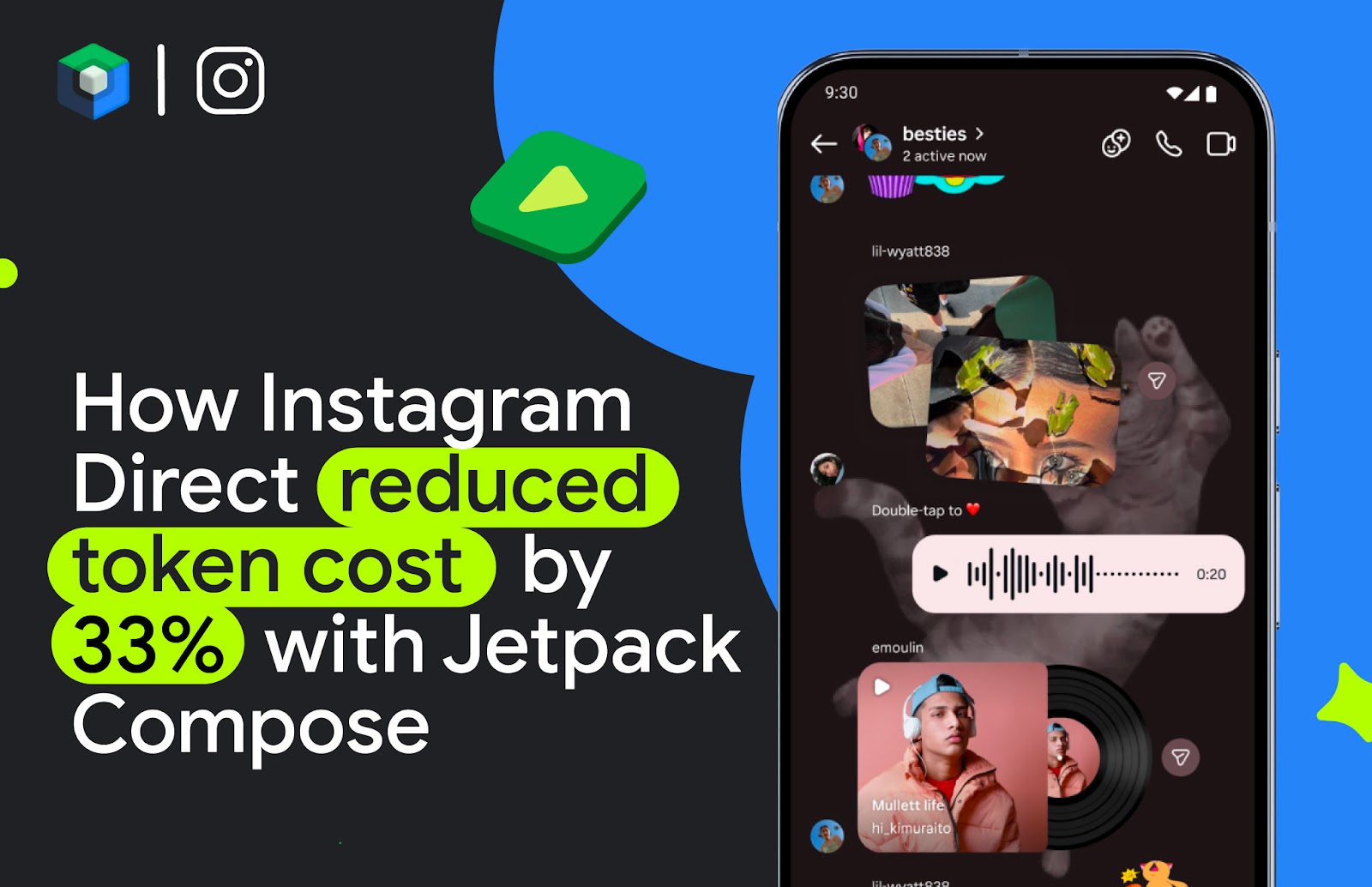
The Instagram Direct team has embarked on a groundbreaking journey by integrating Jetpack Compose into their architecture, fundamentally changing how user interfaces are built and maintained. This transition is not merely a modernization effort; it represents a significant shift toward an AI-native UI design that enhances both efficiency and performance.
Optimizing the Instagram Direct Experience
Instagram Direct, a pivotal part of the Instagram app, handles billions of messages daily. Over the years, the team has painstakingly optimized the traditional Android View system to improve performance. However, this legacy approach has resulted in considerable technical debt and increased engineering complexity, particularly as the industry moves towards declarative UI frameworks and AI-driven development.
The Shift to Jetpack Compose
By adopting Jetpack Compose, the Instagram Direct team has achieved remarkable results. The new AI-native UI codebase is now 50% smaller than its predecessor, leading to a 35% decrease in AI agent execution time and a 33% reduction in token costs. These changes not only boost performance but also enhance the overall developer experience, allowing for quicker iterations and improvements.
Challenges of Migration
Transitioning to Jetpack Compose is no small feat, especially for a platform as large as Instagram. The migration process had to be executed with extreme care to ensure that the user experience remained uninterrupted. With individual UI components potentially rendering in over 160 distinct states and a single conversation screen handling more than 200 message types, the complexity is substantial.
- Gradual Migration: The team opted for a gradual migration strategy to mitigate risks. This approach ensured that users would not experience any disruptions while the underlying architecture was being re-engineered.
- AI Integration: The goal was to create an AI-native codebase from the ground up, rather than retrofitting AI capabilities onto the existing system. This proactive strategy maximizes the benefits of AI in the development process.
Architectural Considerations
One of the significant challenges during the migration was maintaining a clear architectural boundary between the new Jetpack Compose components and the legacy View system. Mixing declarative and imperative UI code can lead to confusion for AI tools, potentially resulting in bugs and performance issues.
To address these challenges, the Instagram Direct team established two essential rules for making the codebase more AI-friendly:
- Encapsulation: Each list item can be represented by its own abstraction, ensuring that all Compose code is contained within the constructor. This prevents direct access to class members or mutable state, thereby promoting cleaner and more predictable code.
- Parallel Development: The migration involved running both legacy and new components simultaneously, allowing engineers to work on the new architecture without halting ongoing feature development.
Impact of AI on Development
The integration of AI into the development process has yielded significant productivity gains. By leveraging AI workflows, the Instagram Direct team was able to accelerate the migration, allowing engineers to focus on building high-quality features while maintaining the existing functionality.
As part of the migration strategy, multiple engineers utilized shared AI agents that accessed a common knowledge base of reusable skills and conventions. This collaborative approach ensured that best practices were adhered to across the team, minimizing redundancy and confusion.
Results and Future Directions
The results of this extensive migration speak volumes. For the components that have transitioned to Jetpack Compose, there has been a 50% reduction in the total amount of UI code. This streamlined codebase not only improves the quality of AI-generated outputs but also lowers the token costs associated with AI tasks.
As the Instagram Direct team continues to refine their architecture, the lessons learned from this migration will undoubtedly influence future developments within the broader Android ecosystem. The collaboration between Meta and Google has not only enhanced Instagram Direct but has also contributed to advancements that will benefit all Android developers.
Source for the original facts: Original source.