Empowering Students Through Collaborative Tech Tools

In today’s educational landscape, technology plays a crucial role in shaping the way students learn and collaborate. With the right tools, educators can create an environment that fosters creativity while ensuring that students meet deadlines and develop essential skills. This article explores how collaborative technology can enhance the learning experience for students.
The Role of Collaborative Tools in Education
Collaborative tools have become indispensable in modern classrooms. They not only streamline the workflow but also empower students to express their creativity. These platforms offer a structured approach that helps students manage their projects effectively.
Building Technical Confidence
One of the significant advantages of using collaborative technology is the boost in technical confidence it provides students. As they engage with various applications, they learn to navigate different software and tools, which are essential skills in today’s digital world. This hands-on experience encourages students to explore new ideas and techniques without the fear of making mistakes.
Encouraging Teamwork
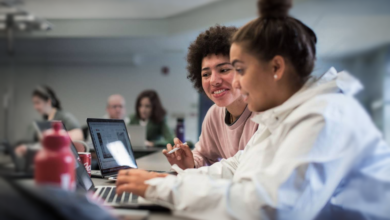
Collaboration is key in any educational setting. With the help of collaborative tools, students can work together seamlessly, regardless of their physical location. These tools facilitate communication and teamwork, allowing students to brainstorm, share resources, and provide feedback in real time. This not only enhances their learning experience but also prepares them for future collaborative environments in their careers.
Bringing Creative Ideas to Life
Technology enables students to turn their creative visions into reality. By utilizing various applications designed for project management and creative development, students can easily organize their thoughts and concepts. This structured approach helps them focus on their creative processes while ensuring they adhere to deadlines.
Structuring Creative Projects
- Project Management Tools: Applications that help students outline their projects, set timelines, and assign tasks.
- Creative Software: Tools that allow for the development of multimedia presentations, videos, and interactive content.
- Feedback Mechanisms: Platforms that enable peer reviews and constructive criticism, fostering an environment of continuous improvement.
By integrating these tools into their workflow, students gain a better understanding of project management and creative execution, which are invaluable skills in any field.
Conclusion
As educators continue to explore innovative ways to engage students, the importance of collaborative technology cannot be overstated. These tools not only help students manage their creative projects but also equip them with the skills necessary for success in an increasingly digital world. By fostering an environment of collaboration and creativity, teachers can inspire the next generation of thinkers and innovators.
Source for the original facts: Original source.