Transforming Energy Access in Sub-Saharan Africa with Google and Ignite
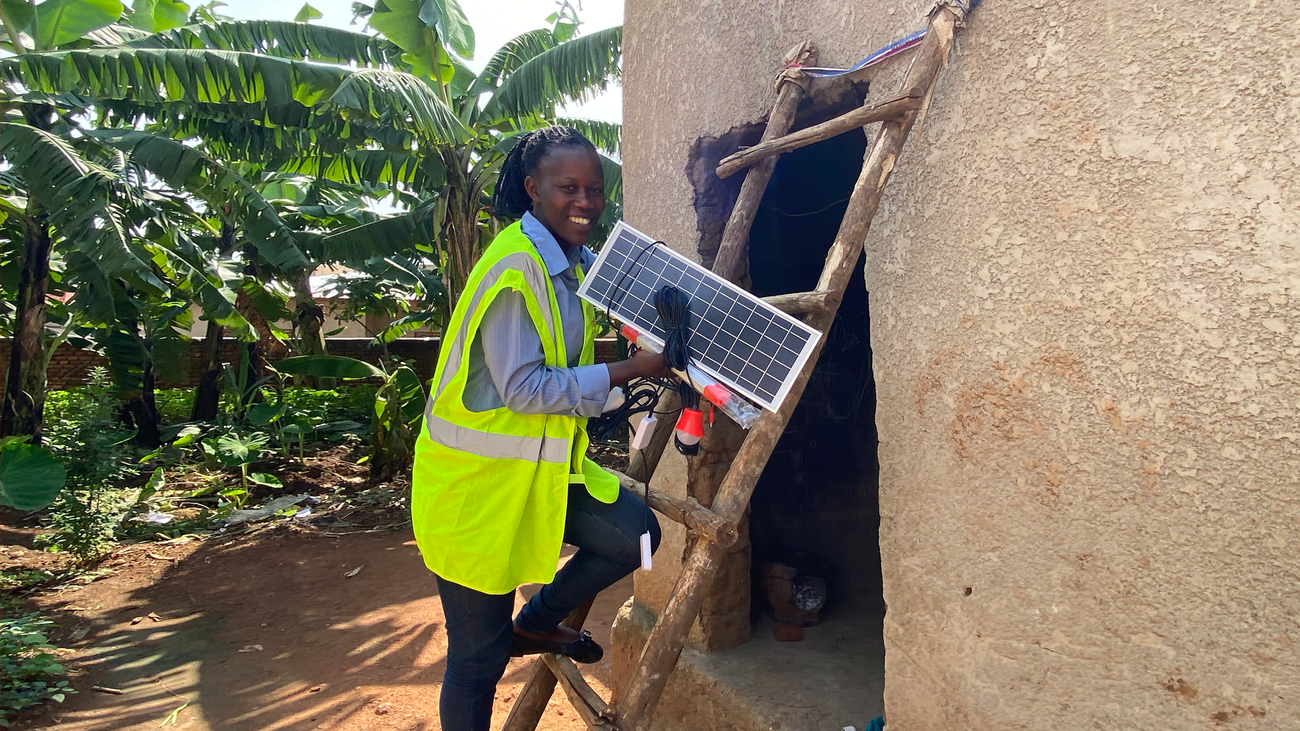
In a significant move towards sustainability, Google has partnered with Ignite Energy Access to tackle the pressing issue of energy scarcity in sub-Saharan Africa. With over 600 million individuals in the region lacking electricity, many rely on costly and harmful fuel sources for their daily needs. This collaboration aims to provide clean energy solutions and has already led to substantial reductions in carbon emissions.
The Challenge of Energy Accessibility
Sub-Saharan Africa faces a daunting challenge: nearly half of its population lives without electricity. Families often depend on kerosene and candles for lighting, which not only strains their finances but also poses health risks due to smoke inhalation. The adoption of off-grid solar power presents a viable solution, but reaching dispersed households requires overcoming several logistical hurdles.
Innovative Solutions for Remote Areas
To effectively distribute solar technology, Google and Ignite Energy Access have identified three primary challenges:
- Identifying Unmapped Homes: Many rural households lack formal addresses, making them difficult to locate. The partnership utilizes satellite imagery and Google’s Open Buildings dataset to pinpoint these essential locations.
- Navigating Difficult Terrain: Rural areas are often connected by unmapped dirt paths. Advanced geospatial models are being developed to facilitate the delivery of solar hardware to these remote locations.
- Mapping Existing Installations: Understanding where micro-solar systems are already in place is crucial for efficient resource allocation. Google researchers are working on computer vision models to enhance the mapping of solar setups from satellite data.
Leveraging Technology for Impact
Google’s Operations Research models play a pivotal role in optimizing Ignite’s supply chain. By evaluating various network configurations, the system helps determine the best locations for central warehouses and local mini-hubs. This strategic planning balances operational constraints, including transportation costs and inventory management.
Furthermore, the use of advanced computer vision techniques is set to revolutionize the way solar installations are monitored. By fine-tuning models with drone imagery, the team aims to enhance the accuracy of satellite data, allowing for a more precise identification of solar setups across the region.
Measurable Environmental Impact
The results of this partnership are already evident. In just the first half of 2026, it is estimated that the collaboration has led to a reduction of over 160,000 tons of CO2 emissions. This achievement is attributed to the delivery of 3.7 million solar devices since 2023, marking a significant step toward Google’s goal of helping partners collectively reduce one gigaton of carbon-equivalent emissions annually by 2030.
Looking Ahead: Clean Cooking Solutions
As the initiative progresses, Google and Ignite are preparing to expand their efforts into the realm of clean cooking solutions. The incorporation of electric cooking technology aims to further improve the living conditions of families in sub-Saharan Africa, providing them with safer and more efficient alternatives to traditional cooking methods.
This partnership not only highlights the potential of technology in addressing global challenges but also sets a precedent for future collaborations focused on sustainability and clean energy access. As Google and Ignite continue to innovate, the hope is to inspire other organizations to contribute to similar impactful projects.
Source for the original facts: Original source.