Harnessing AI for a Transformative Learning Experience
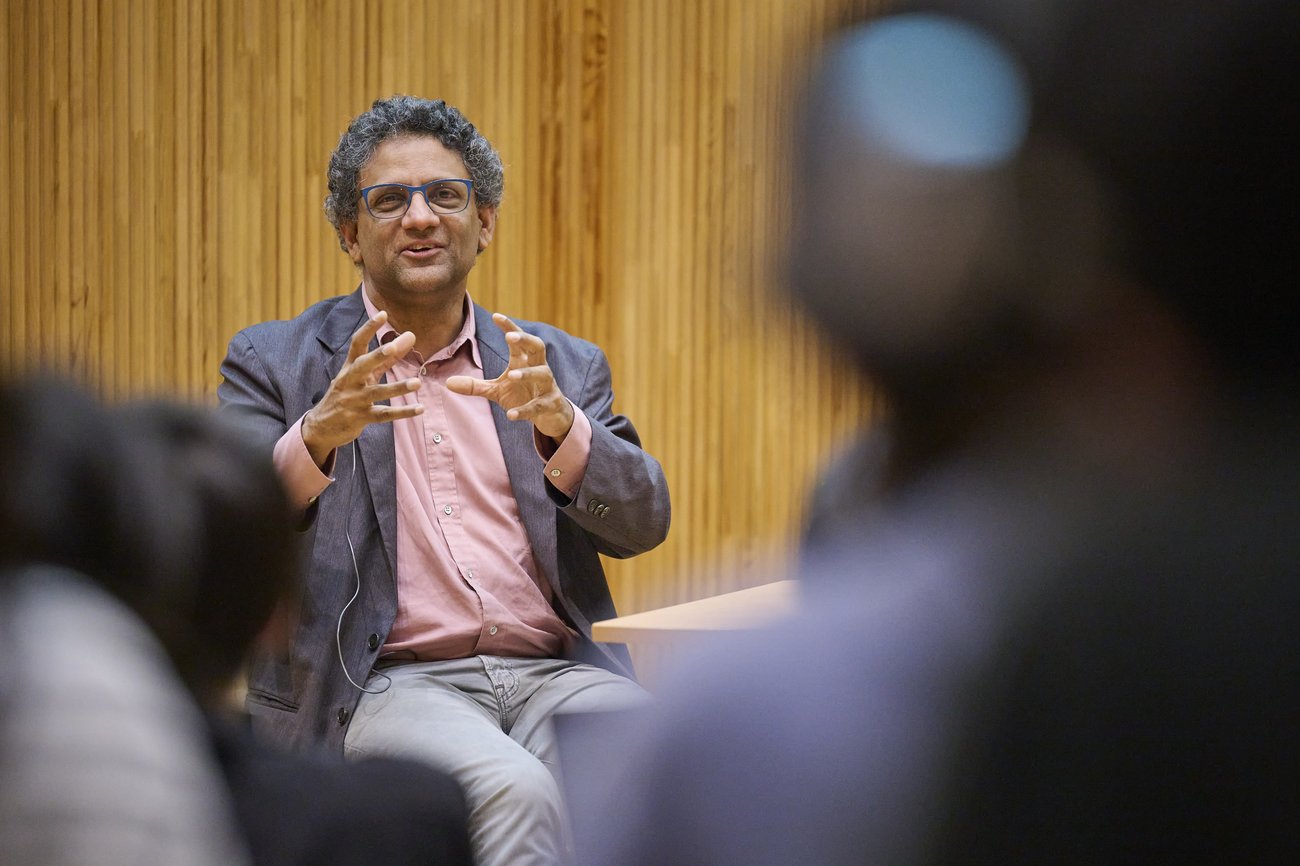
In a recent dialogue at the University of Tokyo, Ben Gomes, Google’s Chief Technologist for Learning and Sustainability, engaged with President Teruo Fujii and students to discuss the intersection of artificial intelligence (AI) and education. This conversation highlighted the evolving landscape of learning in an age dominated by technological advancements.
The Role of AI in Education
As AI continues to permeate various sectors, its potential to enhance the learning experience is increasingly being recognized. Gomes emphasized that while there are concerns about AI acting as a shortcut that undermines genuine learning, it should instead be viewed as a tool that fosters curiosity and inquiry.
AI as a Catalyst for Curiosity
In the context of education, the questions posed by learners are becoming just as crucial as the answers provided by AI. By leveraging technology, students can gain insights into complex issues such as sustainability and poverty, allowing them to focus on solving real-world challenges. Gomes reiterated that the drive for exploration and understanding must originate from the learners themselves.
Teachers and AI: A Collaborative Future
One of the most pressing questions surrounding AI in education is whether it will replace teachers. Gomes firmly stated that this will not be the case. Instead, he believes that the role of educators will become even more vital. The human connection between teachers and students is irreplaceable, and AI can assist in this dynamic by freeing up time for educators.
Enhancing Teacher Efficiency
Research indicates that teachers can save up to 10 hours a week on administrative tasks through the integration of AI. This reclaimed time allows educators to focus on facilitating group learning and nurturing the essential relationships that motivate students. AI serves as a supportive tool, enabling teachers to engage more deeply with their students.
Equity in Learning Through AI
For AI to be truly beneficial in educational settings, equitable access is imperative. Gomes discussed the importance of thoughtfully implementing AI to bridge gaps in knowledge rather than create new divides. AI can act as a personalized tutor, helping struggling learners by identifying their misconceptions and providing tailored support.
Multimodal Learning Opportunities
AI’s capabilities include offering multimodal learning options, such as converting written text into audio formats. This feature caters to diverse learning styles, ensuring that all students have the opportunity to engage with the material in a way that suits them best.
Researching AI’s Impact on Learning
Google is committed to understanding the effects of AI on education. In collaboration with the University of Tokyo, a new study will evaluate how AI can be effectively integrated into learning environments. This research aims to gather academic insights on the efficacy of AI-assisted learning and identify areas for improvement.
Embracing Inquiry and Discovery
In conclusion, Gomes advocates for a future where the spirit of inquiry, combined with AI tools, can unlock new avenues for problem-solving and discovery. By harnessing the power of technology, educators and students alike can navigate the complexities of modern learning.
Source for the original facts: Original source.