Google’s 2025 Environmental Report Highlights Major Sustainability Achievements
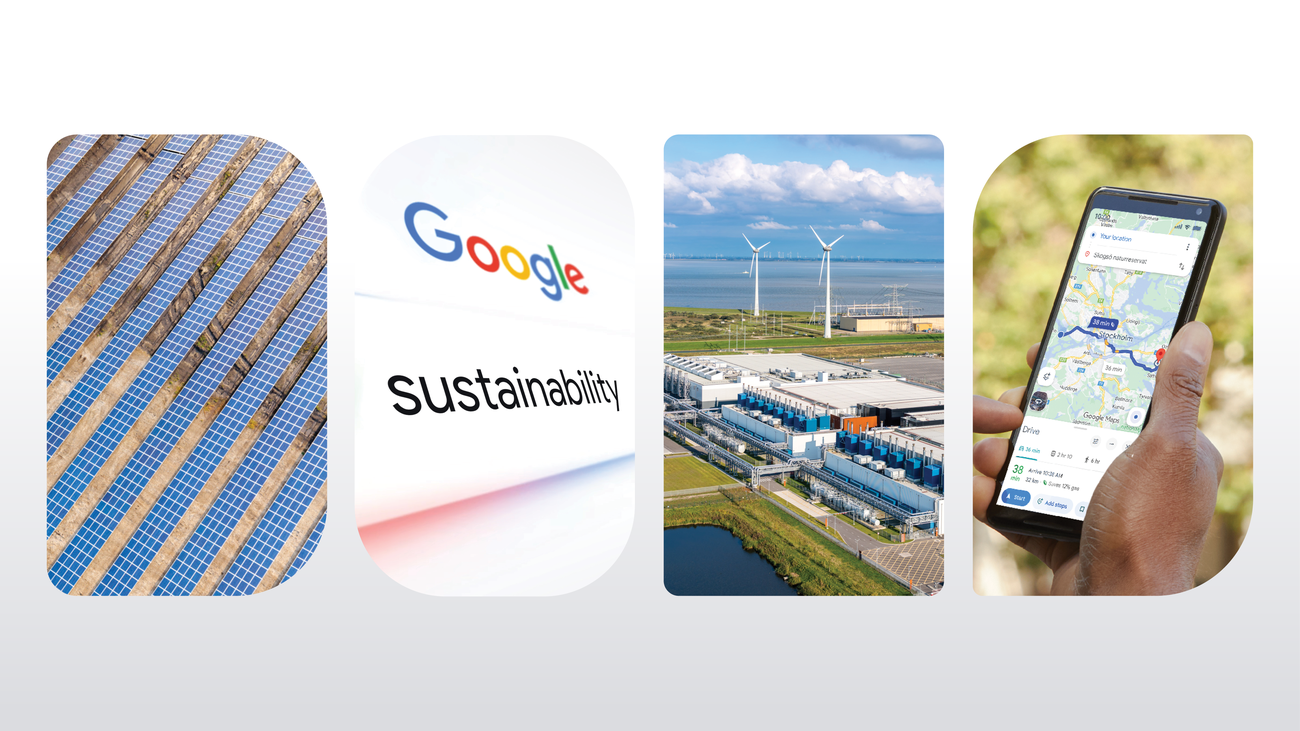
Overview of Google’s Environmental Commitments
In a significant release, Google has unveiled its 11th annual Environmental Report, which showcases the company’s sustainability performance for the year 2025. This report highlights Google’s ongoing commitment to reducing its environmental impact while continuing to drive innovation and growth.
Impressive Clean Energy Acquisitions
In 2025, Google signed agreements for over 12 gigawatts (GW) of new clean energy, an amount sufficient to power a country the size of Greece for an entire year. This achievement underscores Google’s position as one of the largest corporate buyers of clean energy globally. Since 2010, the company has entered into more than 240 agreements to purchase nearly 35 GW of clean energy, which translates to enough energy to power approximately 28 million U.S. homes.
Operational Emissions Reduction
Despite a significant increase in electricity demand, Google successfully reduced its operational emissions by 2% in 2025. This reduction is a testament to the company’s commitment to sustainability, especially given the challenges posed by the growing energy requirements of its operations.
Innovative Data Center Efficiency
Google’s data centers are renowned for their efficiency, utilizing 83% less overhead energy compared to the industry average. The company continues to invest in reliable, clean energy sources to ensure that every megawatt used is optimized for efficiency. This commitment extends to local communities, where Google aims to cover 100% of the costs associated with the power it consumes, thereby supporting the local energy grid.
Water Stewardship Initiatives
Google’s environmental stewardship also encompasses water conservation efforts. In 2025, the company replenished approximately 7.7 billion gallons of water, which accounts for about 78% of its total freshwater consumption for the year. This initiative is part of Google’s broader goal to replenish more water than it consumes by 2030.
Leveraging AI for Environmental Solutions
Google is harnessing the power of artificial intelligence (AI) to tackle environmental challenges. In 2025, nine of Google’s AI-driven solutions enabled individuals and organizations to collectively reduce an estimated 41 million metric tons of CO2 equivalent emissions, which is approximately three times the company’s own emissions. Tools like Google Earth and Nest thermostats are examples of how AI is being used to optimize energy efficiency in various sectors.
Disaster Preparedness and Nature Protection
In addition to energy and emissions, Google is also focused on enhancing community safety during extreme weather events. The company’s advancements in AI have led to improved forecasting and early detection of natural disasters, such as wildfires and floods. Furthermore, Google is developing AI tools that aid in wildlife protection, making conservation efforts more accessible and effective.
Challenges Ahead
While Google’s commitment to sustainability is unwavering, the company faces challenges in achieving its climate goals. The rapid demand for AI infrastructure has outpaced the decarbonization of the energy grid, leading to a 25% increase in supply chain emissions year-over-year. This rise is attributed to the reliance on energy grids in the Asia-Pacific region that are still heavily dependent on carbon-intensive sources.
Google acknowledges the complexities involved in transitioning to a more sustainable operational model and is actively reassessing its strategies to align its ambitious climate goals with practical execution. The company remains dedicated to prioritizing clean energy and innovation, ensuring that its initiatives positively impact global sustainability efforts.
Source for the original facts: Original source.