
Innovative Climate Solutions: Google and Terradot Team Up for Sustainable Rice Farming
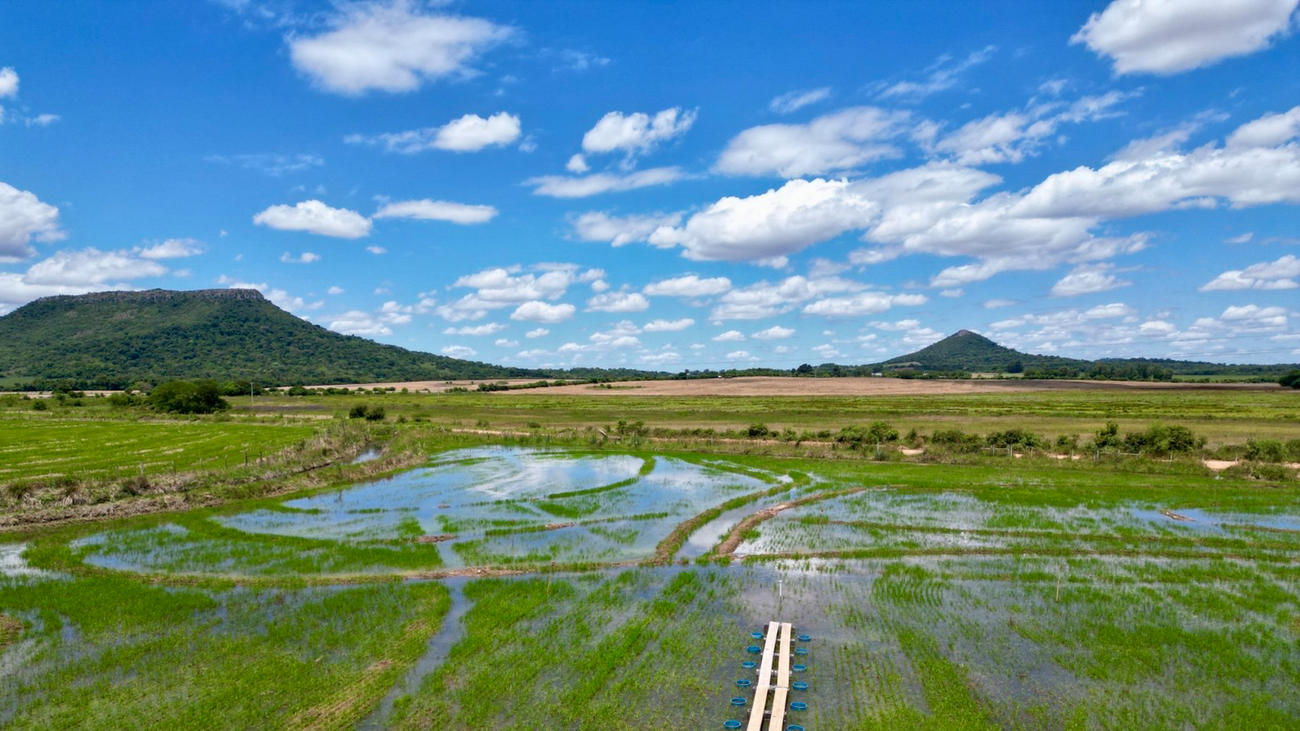
In a groundbreaking initiative, Google has announced a partnership with Terradot aimed at tackling climate change through sustainable rice farming practices in Brazil. This collaboration is set to deliver a significant climate impact by combining innovative agricultural methods with advanced carbon removal technologies.
A Two-Pronged Approach to Climate Impact
The partnership focuses on two primary strategies: eliminating methane emissions from rice farming and enhancing carbon removal through a process known as Enhanced Rock Weathering (ERW). Together, these methods aim to achieve a total of 1 million metric tons of CO2 equivalent (tCO2e) in methane elimination by 2030, with an additional 1 million metric tons of permanent carbon removal expected by 2040.
Addressing Short- and Long-Term Climate Goals
The urgency of climate change demands immediate action. Recent reports from the UN emphasize the need for solutions that address both short-lived superpollutants like methane and long-lasting carbon emissions. Google and Terradot’s initiative is unique as it tackles both challenges simultaneously, providing a model that could inspire similar efforts globally.
How the Partnership Works
- Alternate Wetting and Drying (AWD): This irrigation technique involves periodically draining flooded rice paddies, which significantly cuts down methane emissions and offers immediate climate benefits.
- Enhanced Rock Weathering (ERW): The application of crushed volcanic rock enhances the natural process of weathering, allowing for the permanent removal of CO2 as the rock dissolves over time.
By implementing these complementary technologies across over 200,000 hectares of rice farms in southern Brazil, the project aims to create a sustainable agricultural model that not only mitigates climate change but also supports local farmers.
Benefits for Farmers and the Environment
This initiative is not just beneficial for the environment but also for the farmers involved. The AWD method reduces water usage and lowers farming costs, while the application of crushed volcanic rock improves soil health. This economic incentive helps local communities engage actively in climate action, making them stakeholders in the sustainability efforts.
Potential for Global Replication
Southern Brazil offers ideal conditions for this sustainable farming model, thanks to its tropical climate and proximity to basalt quarries. The partnership is not limited to Brazil; it aims to explore the applicability of these methods across the 1.5 million hectares of rice currently cultivated in the country and eventually in other rice-growing regions worldwide.
Transformative Potential of Combined Approaches
This collaboration is a significant step forward in illustrating the power of integrating superpollutant elimination with carbon removal strategies. It aligns with Google’s broader environmental goals outlined in its 2026 Environmental Report, showcasing the importance of addressing both immediate and long-term climate issues in a cohesive manner.
As Google and Terradot work towards scaling these efforts, they hope to encourage other buyers, suppliers, and governments to adopt similar strategies, maximizing their climate impact. The urgency of the climate crisis necessitates immediate action, and this partnership exemplifies how innovative agricultural practices can contribute to a more sustainable future.
Source for the original facts: Original source.