Revolutionizing Synthetic Biology with SynthID Bio Watermarking Technology
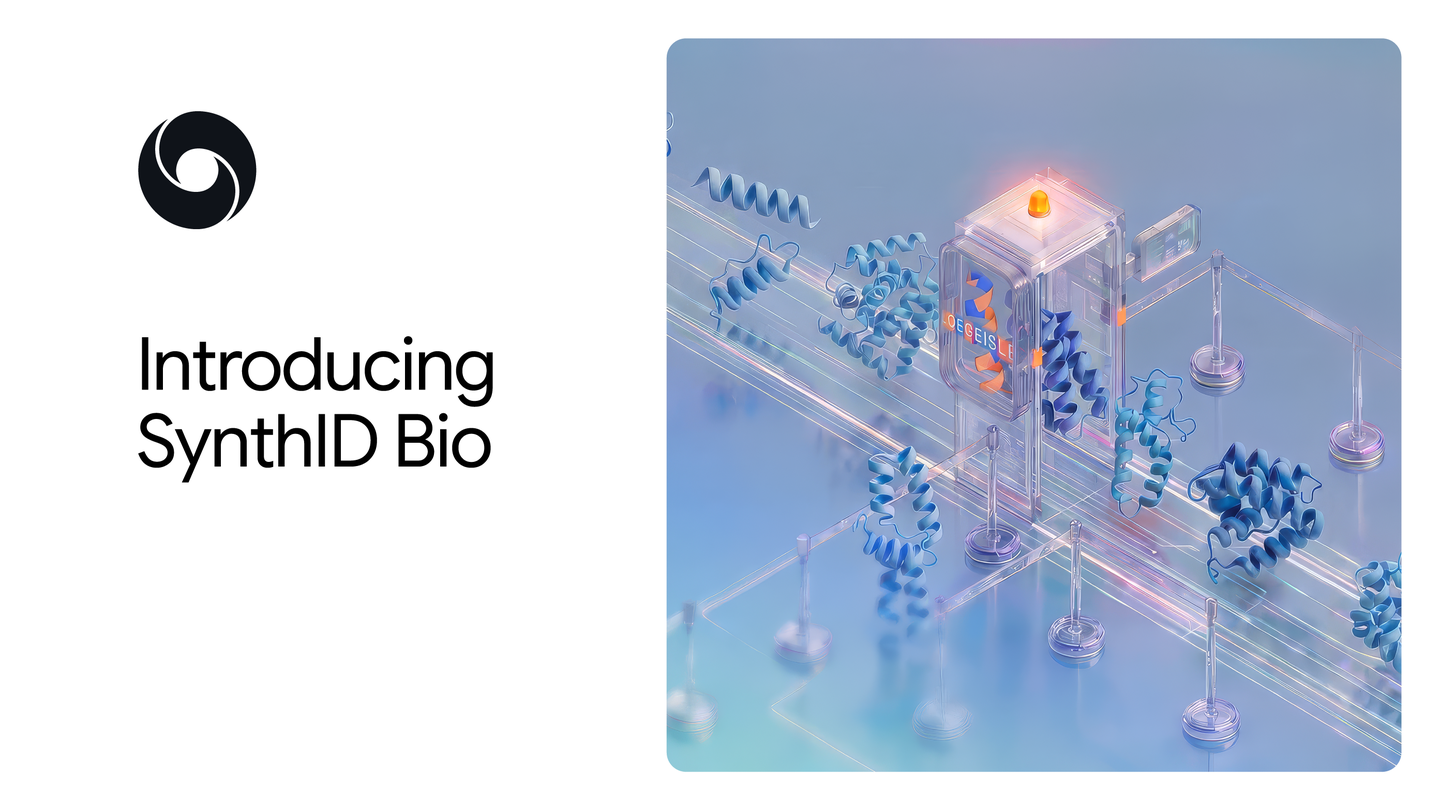
In a groundbreaking development, Google DeepMind has unveiled SynthID Bio, a novel technology aimed at enhancing the integrity of synthetic biology. This innovative solution introduces a method to watermark AI-generated proteins while ensuring their biological functionality remains intact.
What is SynthID Bio?
SynthID Bio is designed to embed an imperceptible and verifiable watermark directly into biological designs. This includes AI-generated protein sequences and their predicted three-dimensional structures. The watermarking process is crucial as it provides a provenance layer that not only strengthens biosecurity but also helps maintain the integrity of open scientific databases.
Key Features of SynthID Bio
- Imperceptible Watermarking: The technology embeds a watermark that is undetectable to the human eye, ensuring the biological function of the proteins is preserved.
- Performance Parity: Laboratory tests have demonstrated that watermarked designs maintain the same performance levels and natural diversity as their unwatermarked counterparts.
- Enhanced Biosecurity: By providing a method to trace the origins of synthetic proteins, SynthID Bio plays a crucial role in bolstering biosecurity measures.
- Support for Open Science: The technology aids in preserving the integrity of open scientific databases, which is essential for the advancement of research.
Laboratory Testing and Results
In extensive laboratory tests, the efficacy of SynthID Bio was assessed across various target proteins. The results showed that the watermarked designs not only matched but also excelled in performance compared to their unwatermarked equivalents. This is a significant advancement in the field of synthetic biology, where maintaining the functionality of proteins is paramount.
Visualizing Watermarked Proteins
One of the standout features of SynthID Bio is its ability to visualize the predicted structures of watermarked proteins. For instance, the VEGF-A protein binder’s predicted structure is visually represented with the watermark signal indicated by color for each amino acid. This visualization aids researchers in understanding how the watermarking process integrates with the protein’s structure.
Importance of Provenance in Synthetic Biology
The introduction of SynthID Bio is timely, as the field of synthetic biology continues to expand rapidly. With the growing number of AI-designed proteins, ensuring their traceability becomes increasingly important. The watermarking technology not only enhances biosecurity but also fosters trust in scientific research and collaboration.
Conclusion
Google DeepMind’s SynthID Bio represents a significant leap forward in the intersection of artificial intelligence and synthetic biology. By embedding watermarks into protein designs, the technology safeguards the integrity of biological data while preserving functionality. As the scientific community embraces these advancements, SynthID Bio could pave the way for more secure and reliable research in synthetic biology.
Source for the original facts: Original source.