Understanding Full-Stack AI: A Comprehensive Breakdown
What is Full-Stack AI?
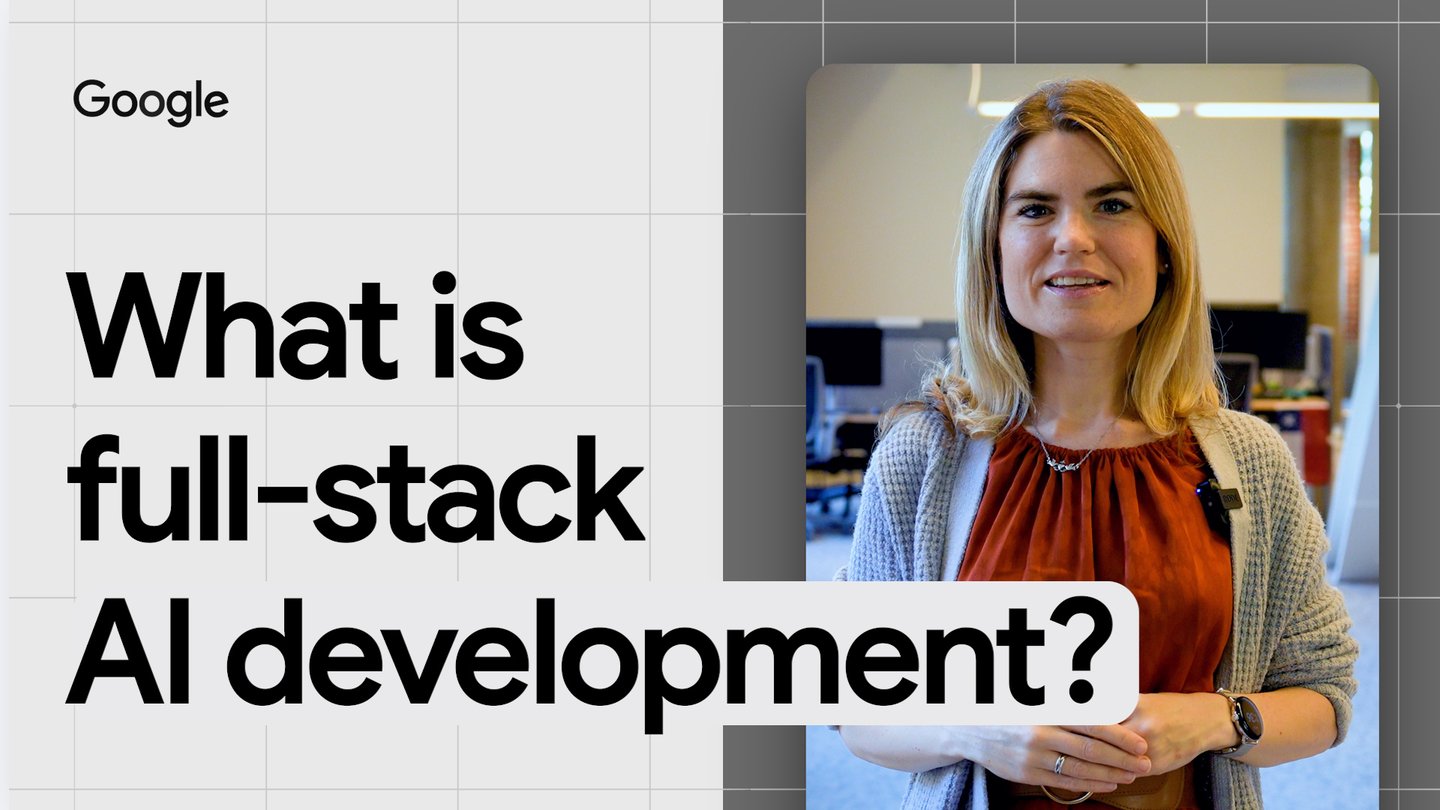
In the realm of technology, the term “full-stack” is often thrown around, especially in web development. But what does it mean when applied to artificial intelligence? To shed light on this concept, we turn to insights from Paige Bailey, an engineering lead at Google DeepMind.
The Five Layers of Full-Stack AI
Full-stack AI encompasses five essential layers: infrastructure, security, research, models & tooling, and products. Each layer plays a vital role in ensuring that AI systems are efficient, secure, and user-friendly. Let’s explore each layer in detail.
1. Infrastructure
The foundation of any AI system is its infrastructure. This layer includes the hardware and cloud services that provide the necessary computing power. A robust infrastructure allows for the efficient processing of vast amounts of data, which is crucial for training AI models.
2. Security
With the increasing reliance on AI, security has become paramount. This layer focuses on protecting data and ensuring that AI systems are resilient against threats. Security measures are integrated at every level to safeguard user information and maintain trust in AI technologies.
3. Research
Research is the backbone of innovation in AI. This layer involves the exploration of new algorithms, techniques, and methodologies to enhance AI capabilities. Continuous research ensures that AI systems remain at the cutting edge of technology and can adapt to evolving challenges.
4. Models & Tooling
This layer consists of the actual AI models and the tools used to develop them. It includes everything from machine learning algorithms to the software frameworks that facilitate model training and deployment. Effective tooling is essential for developers to create and optimize AI applications.
5. Products
Finally, the products layer represents the end-user applications that leverage AI technologies. These products are designed to be intuitive and helpful, making AI accessible to users and businesses alike. Google’s AI products, for instance, benefit from the integration of all previous layers, resulting in solutions that are both powerful and user-friendly.
The Synergy of Full-Stack Development
Each of these layers does not operate in isolation. Instead, they work together to create a cohesive environment for AI development. By integrating these components, Google aims to enhance the performance and reliability of its AI offerings. This full-stack approach not only improves the speed and security of AI applications but also enriches the overall user experience.
Conclusion
Understanding full-stack AI is essential for anyone interested in the future of technology. As AI continues to evolve, the importance of a comprehensive approach that encompasses infrastructure, security, research, models & tooling, and products will only grow. By investing in these areas, tech companies can ensure that their AI solutions are not just functional, but also safe and beneficial for all users.
To see Paige Bailey’s full explanation and gain further insights into Google’s approach to full-stack AI, be sure to check out the accompanying video.
Source for the original facts: Original source.