Google Maps Introduces Authentic Māori Pronunciation for New Zealand Users
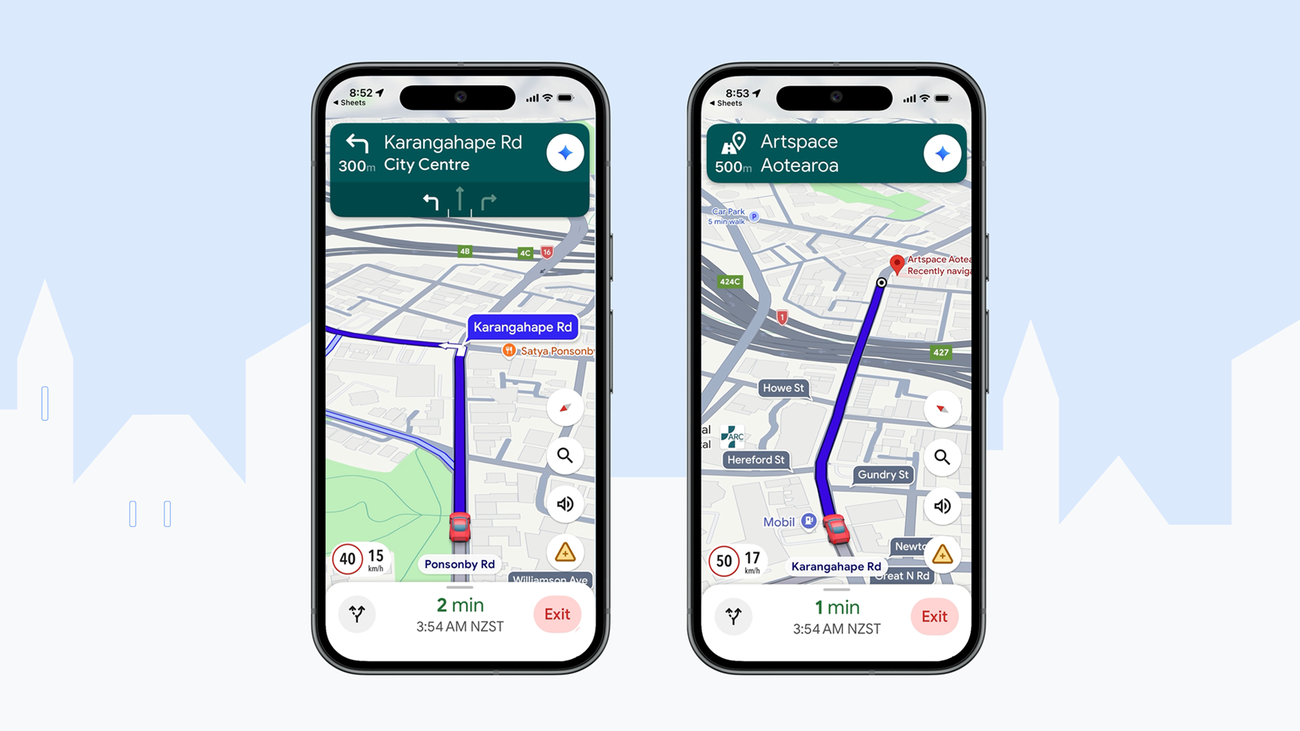
In a move to enhance user experience and cultural respect, Google Maps has launched a new voice feature specifically for users in New Zealand. This innovative update allows the app to accurately pronounce indigenous Māori place names while speaking English with a distinct Kiwi accent.
Embracing Local Culture
The introduction of this new voice is a significant step towards honoring New Zealand’s rich cultural heritage. Google collaborated closely with language experts from Te Taura Whiri, the Māori Language Commission, to ensure that the pronunciations of cities and towns are both accurate and respectful. This initiative highlights the importance of te reo Māori, recognized as a taonga (treasure) and one of New Zealand’s official languages.
How to Access the New Voice Feature
For users eager to experience this feature, it is essential to update the Google Maps app and adjust the language settings to English (New Zealand). Once activated, users will notice a more authentic and localized navigation experience, as the app now speaks with a Kiwi accent while correctly pronouncing names like “Taranaki” and “Whangārei.”
The Significance of Correct Pronunciation
According to Ngahiwi Apanui-Barr, chief executive of Te Taura Whiri, the correct pronunciation of Māori place names is crucial for connecting individuals to their histories and cultural narratives. “Māori place names carry stories that connect us to our histories, people and achievements,” he stated. This initiative not only aids in navigation but also fosters a greater appreciation for New Zealand’s diverse cultural landscape.
Technology Behind the Update
This new voice feature leverages advanced AI technology to deliver accurate pronunciations. Google utilized publicly available data from the New Zealand Geographic Board, ensuring that the voice model is built on reliable information. The development process was guided by principles of Māori data sovereignty, with a commitment to making the data accessible to Māori academics, researchers, and communities.
The long-term vision includes establishing a group of custodians who will oversee the Māori lexicon, ensuring that the language remains vibrant and accessible for future generations. This approach reflects a strong commitment to cultural preservation and respect for indigenous languages.
Global Rollout and Compatibility
The new voice feature is beginning its global rollout today, becoming available on various platforms including Android, iOS, Android Auto, and CarPlay. Users are encouraged to make the necessary language adjustments to fully enjoy the benefits of this culturally significant update.
In conclusion, Google Maps’ new voice feature is more than just a navigation tool; it represents a meaningful step towards recognizing and celebrating New Zealand’s indigenous culture. By embracing the correct pronunciation of Māori place names, Google is enhancing the experience of users and contributing to the preservation of a vital aspect of New Zealand’s identity.
Source for the original facts: Original source.