Revolutionizing Methane Detection: Google and NASA’s New AI Model
In an innovative collaboration, Google and NASA’s Jet Propulsion Laboratory (JPL) have unveiled a groundbreaking AI model named MAPL-EMIT, designed to monitor methane emissions on a global scale from space. This development is a significant step forward in understanding and mitigating the effects of methane, a greenhouse gas with a warming potential that is 30 times greater than that of carbon dioxide over a century.
Understanding the Importance of Methane Tracking
Methane emissions are a critical concern in the fight against climate change. The gas is released from various sources, including landfills, agriculture, and fossil fuel extraction. Effective tracking of these emissions is essential for targeted climate action. However, traditional methods of detection often fall short due to the complex and noisy environments in which methane plumes are found.
How MAPL-EMIT Works
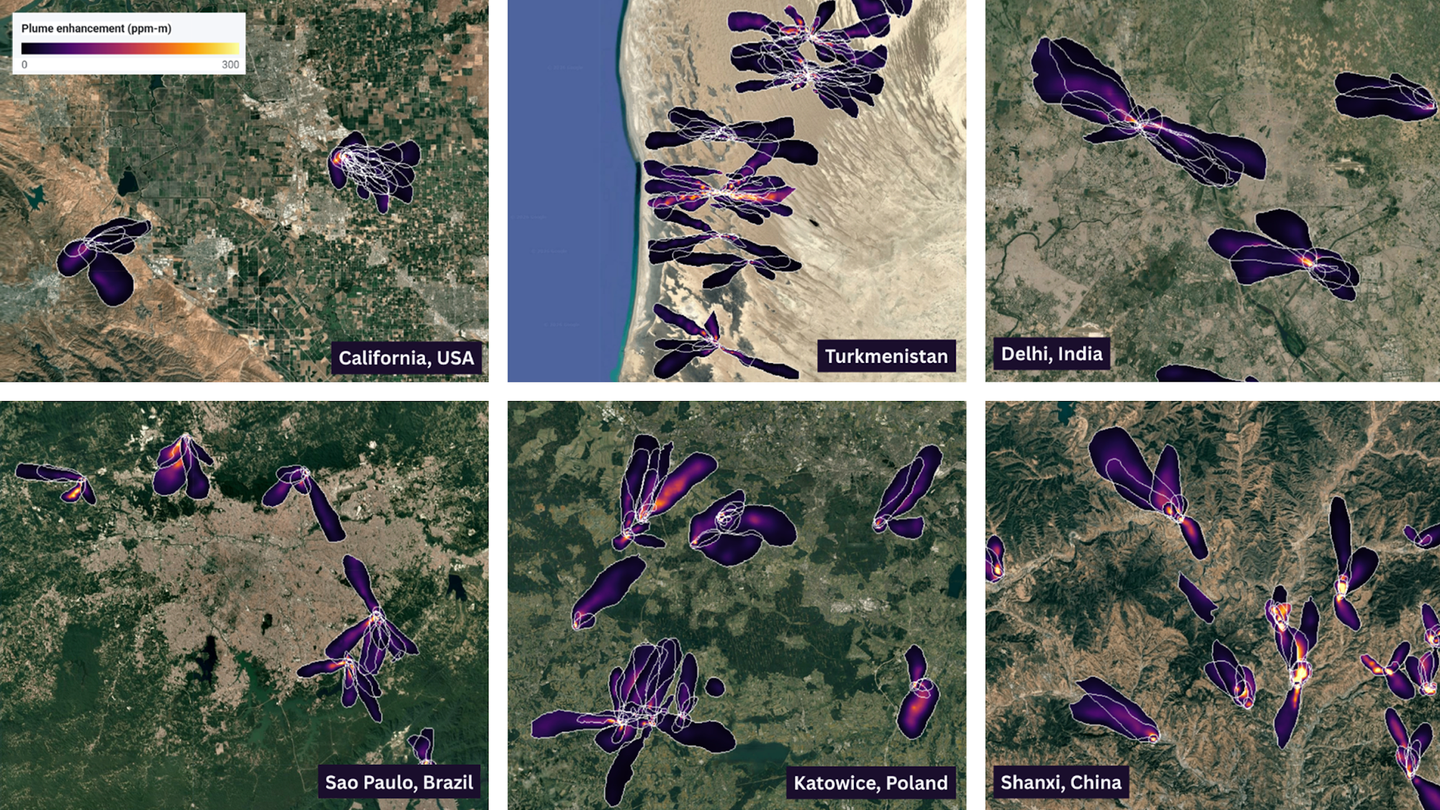
MAPL-EMIT leverages advanced deep learning techniques to analyze data collected by NASA’s EMIT instrument. The model was trained on an extensive dataset comprising 3.6 million physics-simulated methane plumes, enabling it to recognize patterns and detect methane emissions with remarkable accuracy. This AI-driven approach allows MAPL-EMIT to identify 50% more methane plumes than human experts can, significantly enhancing the ability to locate methane sources.
Key Features of MAPL-EMIT
- Increased Detection Rate: The AI model identifies over 23,000 additional methane plumes globally.
- Focus on Major Sources: It successfully detects 24 out of the 25 largest-emitting landfills worldwide.
- Data Accessibility: Google has made the global plume database available on Earth Engine, along with a dedicated app for data visualization.
Implications for Climate Mitigation
The introduction of MAPL-EMIT marks a pivotal advancement in climate science. By making methane sources more accessible and easier to track, this model facilitates quicker and more precise climate mitigation strategies. Researchers, policymakers, and environmental operators can utilize the open-source models available on Kaggle and the inference tools provided on GitHub to enhance their efforts in combating methane emissions.
Visualizing Data with Earth Engine
Alongside the release of MAPL-EMIT, Google has launched an Earth Engine app that allows users to visualize methane emission data effectively. This tool is invaluable for various stakeholders, including scientists and environmentalists, as it provides insights into the locations and intensities of methane emissions across the globe.
Conclusion
The MAPL-EMIT model represents a significant leap forward in environmental monitoring technology. By harnessing the power of AI and satellite data, Google and NASA are equipping the global community with the tools necessary to address one of the most pressing challenges of climate change. As the world continues to grapple with environmental issues, innovations like MAPL-EMIT will play a crucial role in shaping our response to climate change.
Source for the original facts: Original source.