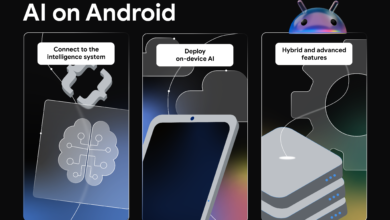
Enhancing Android Development: Key Updates from Google I/O 2026
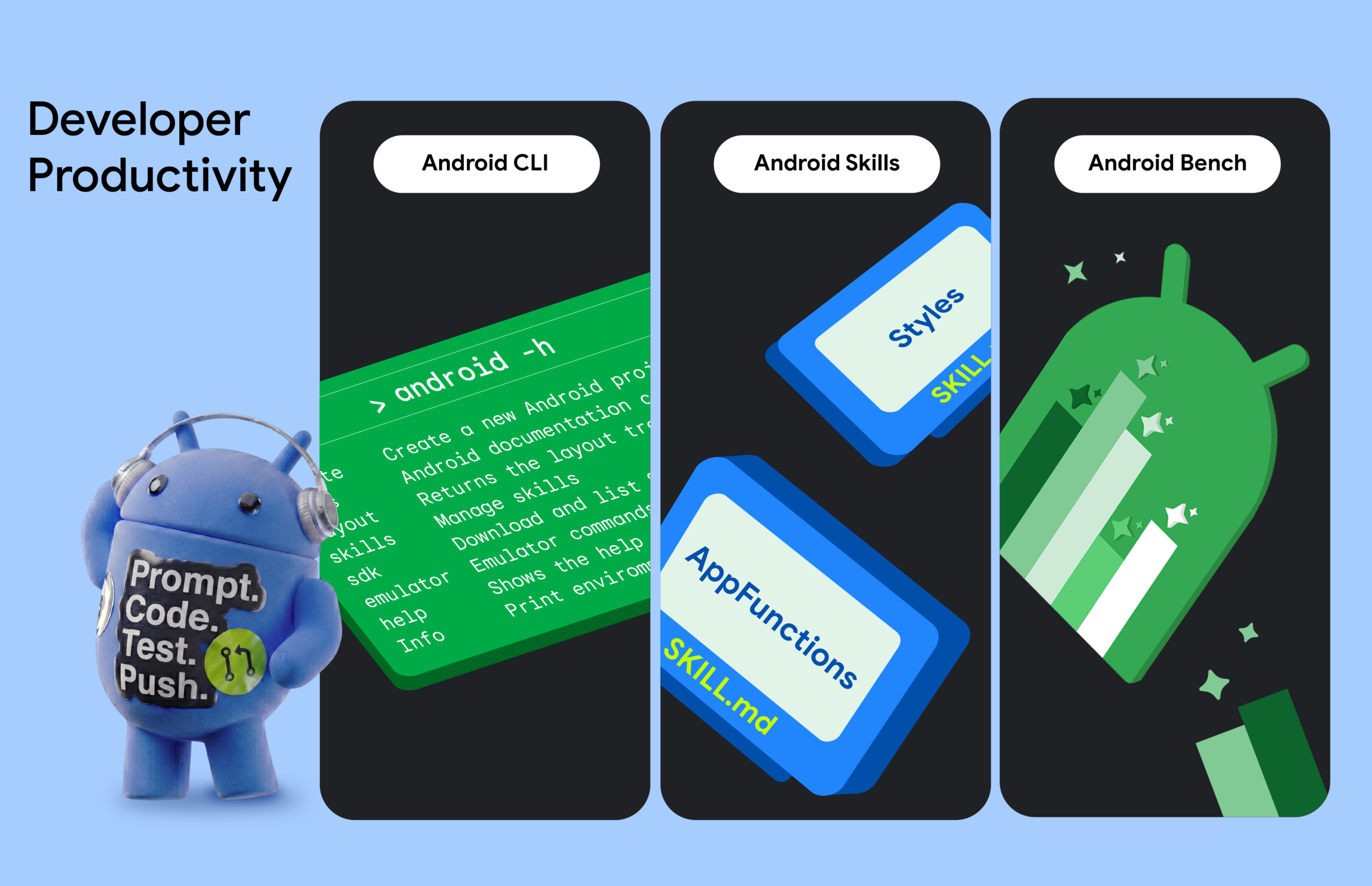
The annual Google I/O event has once again showcased exciting advancements for Android developers, focusing on productivity and enhanced tooling. As the landscape of development evolves towards AI and agent-assisted technologies, Google has rolled out significant updates to support developers in their Android projects. Here’s a closer look at the top three announcements aimed at boosting Android developer productivity.
1. Android CLI Reaches Stability with New Features
The Android Command Line Interface (CLI) has officially reached version 1.0, bringing a host of new features and integrations. This stable release introduces programmatic version lookup and support for a feature known as Journeys. Additionally, it offers bridging capabilities that allow agents to integrate directly with Android Studio through the studio command.
Running Android Studio alongside the agent and Android CLI enhances project navigation, provides more precise output, and grants access to unique Android Studio tools such as performance profilers, Compose Previews, and Android Device Streaming. This integration aims to streamline the development process, making it easier for developers to manage their projects effectively.
2. Google Antigravity Officially Supports Android Development
In another exciting development, Google Antigravity now officially supports Android development, featuring the Android resources bundle that includes the Android CLI and various skills. Developers can install this bundle during onboarding or later by navigating to Settings > Customizations > Build With Google Plugins.
This integration equips Antigravity with the powerful tools and knowledge of the Android CLI, simplifying core tasks such as project creation and app deployment on virtual devices. The combination of these tools is designed to enhance efficiency and ease of use for developers.
3. Expanding Android Skills for Improved AI Assistance
To further support developers, Google is expanding its repository of Android skills available through the Android CLI and GitHub. These skills are designed to ground large language models (LLMs) in specialized workflows and domain knowledge, enabling them to assist with both common and complex user journeys.
The latest batch has introduced over 17 skills, enhancing the capability of AI models to assist developers effectively. For those looking for more information, the official documentation provides detailed insights into these skills and how to leverage them in development.
4. Android Bench: A Leaderboard for LLM Testing
This year, Google launched Android Bench, a leaderboard designed to test LLMs on real-world Android development challenges. The goal is to accelerate model improvements, providing developers with increasingly helpful AI assistance.
At this year’s I/O, Google responded to developer requests by evaluating open models and adding commonly used ones to the leaderboard, including the local model Gemma 4 and the latest Gemini 3.5 Flash. The challenges given to LLMs are also set to increase in difficulty, with long-running tasks to encourage continuous improvement. Developers can check the Android Bench leaderboard for the latest results and insights.
With these updates, Google is reinforcing its commitment to supporting Android developers as they navigate the evolving landscape of app development. By integrating AI-assisted tools and enhancing existing resources, the company aims to make the development process faster and more efficient, allowing developers to focus on bringing their innovative ideas to life.
For further details, developers can explore the full Developer Productivity at Google I/O 2026 YouTube playlist, which offers a comprehensive overview of the latest advancements and resources available.
Source for the original facts: Original source.