Revolutionizing Health Management: The Google Health App and Its Ecosystem
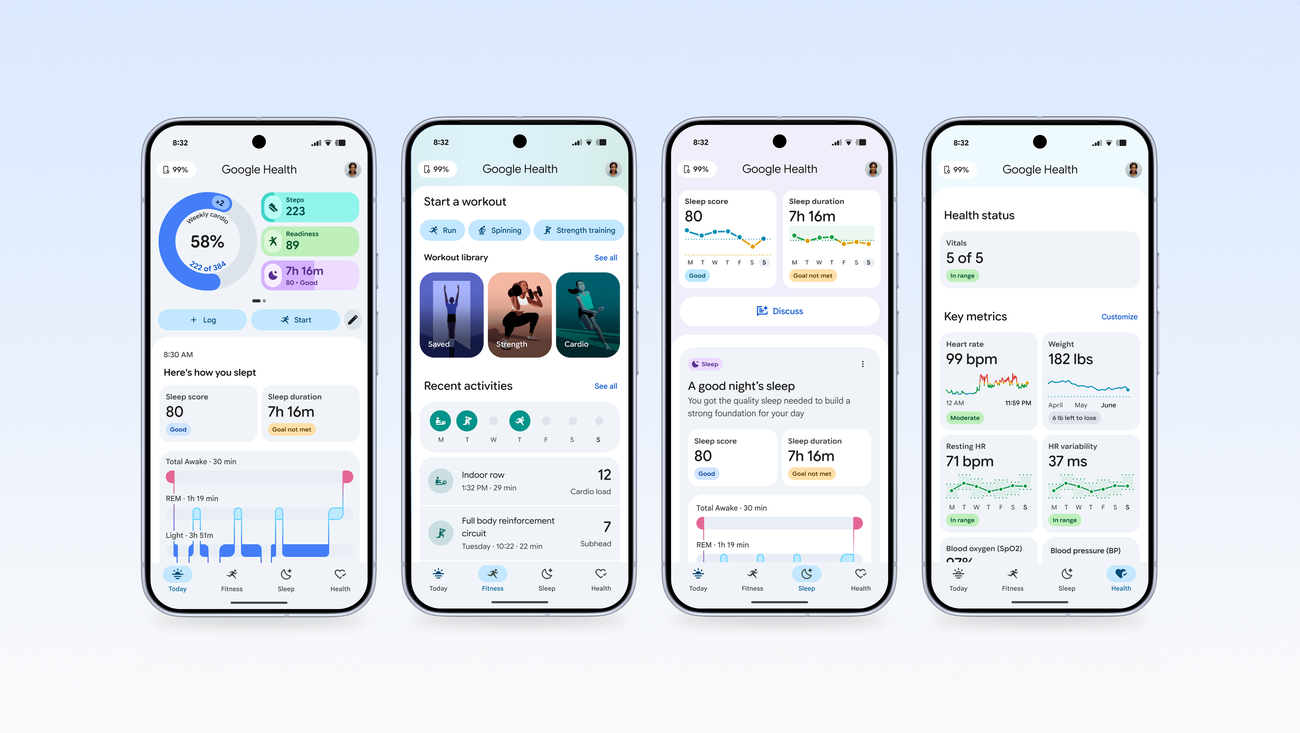
Your health data is yours to control, and Google is making it easier than ever to manage it all in one place. The introduction of the Google Health app, along with the Google Health Coach and Fitbit Air, marks a significant step towards a more integrated approach to personal health management.
Centralized Health Data Management
In today’s world, tracking health often requires juggling various devices, apps, patient portals, and even handwritten notes. However, this fragmented approach can be cumbersome and inefficient. The Google Health app aims to simplify this process by allowing users to consolidate their health data into a single, secure platform. This means that everything from workout logs and medical records to nutrition tracking can be accessed in one place.
Connecting Multiple Data Sources
The Google Health app supports a wide range of data inputs, enabling users to connect various devices and applications. For instance, you might use a smartwatch to monitor your daily activity, log your meals with MyFitnessPal, and track your sleep with the Fitbit Air. All of this information can be aggregated within the Google Health app, which intelligently analyzes the data to identify trends, address overlaps, and fill in any gaps.
- Wear a smartwatch for activity tracking.
- Log meals using MyFitnessPal.
- Upload medical records from doctor visits.
- Track weight with a smart scale.
- Use Fitbit Air to monitor sleep patterns.
Personalized Health Recommendations
Beyond just collecting data, the Google Health Coach leverages the aggregated information to offer personalized recommendations tailored to your health goals. This proactive approach to health management ensures that users receive guidance that is specific to their unique circumstances, helping them make informed decisions about their wellness journey.
Integration with Existing Health Ecosystems
One of the standout features of the Google Health app is its ability to connect with other health platforms. It integrates seamlessly with apps and devices that work with Health Connect or Apple Health, as well as hundreds of other applications through the Google Health APIs. In the U.S., users can even sync their medical records to gain insights into important health metrics such as lab results and vital signs.
Commitment to Data Portability
Google is dedicated to fostering a culture of data portability within the health tech industry. By building an open Google Health ecosystem, the company encourages collaboration among device manufacturers, app developers, and healthcare providers. This initiative aims to create a more cohesive experience for users, where data can be easily shared and accessed across different platforms.
Empowering Users with Data Control
With the Google Health app, users have complete control over their health data. Whether you want to share your information, opt-in to specific features, export your data, or delete it, the choice is yours. Importantly, Google ensures that your health data is not utilized for advertising purposes, allowing for a more secure and private experience.
As Google continues to expand its health offerings, users can expect more data types and deeper integrations in the future. The goal is to create a more personalized and user-friendly health management experience that caters to individual preferences and needs.
In conclusion, the Google Health app represents a significant advancement in the way individuals can manage their health data. By centralizing information and providing personalized insights, Google is paving the way for a more integrated and user-centric approach to health and wellness.
Source for the original facts: Original source.