Southeast Asia’s Digital Economy: The Rise of Generative AI
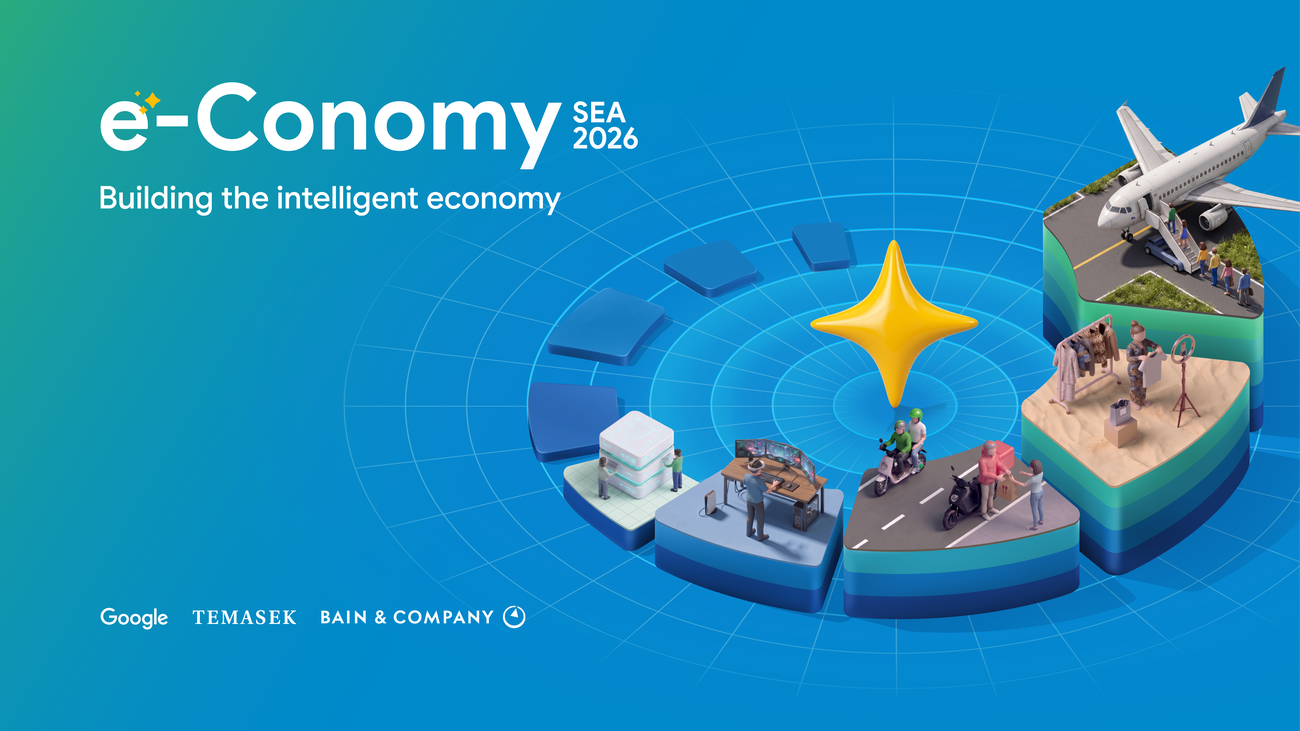
Southeast Asia is witnessing an unprecedented surge in its digital economy, largely driven by the rapid adoption of generative AI technologies. According to the latest e-Conomy SEA report, the region’s digital economy is projected to reach a remarkable $368 billion in Gross Merchandise Value (GMV) by 2026, with a trajectory that could see it surpass $1 trillion by 2035.
The Generative AI Boom
Generative AI has become an integral part of life for around 243 million people in Southeast Asia, representing 58% of the working population. This technology is being adopted at a staggering pace, reportedly four times faster than the rollout of mobile internet. The implications for the economy are significant, as AI reshapes consumer behavior across various sectors.
Key Findings from the e-Conomy SEA Report
The 11th edition of the e-Conomy SEA report, produced by Google, Temasek, and Bain & Company, highlights several key trends:
- E-commerce Growth: E-commerce is expected to anchor the digital economy with a GMV of $226 billion, growing at 18% year-on-year. Consumers are increasingly relying on multimodal discovery and in-app assistants, which enhance their shopping experiences and lead to higher conversion rates.
- Online Travel Sector: The online travel market is projected to reach $59 billion, growing at 10% YoY. Traditional search engines remain the primary tool for travel planning, but generative AI has emerged as the second-most popular option for organizing complex itineraries.
- Online Media Revenue: The online media sector is set to generate $44 billion in revenue, with a remarkable growth rate of 22% YoY. Personalized content feeds and targeted advertising are driving engagement, with commerce media expected to become a $4 billion market.
- Digital Financial Services: Digital financial services are projected to achieve a Gross Transaction Value (GTV) of $1,650 billion, growing at 16% YoY. These services enhance consumer experiences with real-time fraud detection and personalized financial advice.
Consumer Confidence in AI
The report indicates a growing trust in AI among consumers, with 62% of respondents expressing greater confidence in AI tools compared to the previous year. This trust is fueled by proven track records, increasing familiarity with AI technologies, and perceptions of accuracy in AI outputs.
Adoption of Agentic Commerce
As digital automation becomes more established, a significant 75% of users are open to allowing AI agents to autonomously compare prices and complete transactions. This shift towards agentic commerce reflects a broader trend of consumers seeking efficiency and convenience in their daily activities.
Challenges Ahead
Despite the optimism surrounding AI, there are several critical conditions that need to be met to support the projected 60-fold increase in regional AI usage by 2030:
- Infrastructure Development: Expanding data center infrastructure is essential to accommodate the growing demand for AI services.
- Energy Efficiency: Improving energy efficiency in data centers will be crucial for sustainable growth.
- Unified Digital Trade Policies: Establishing cohesive digital trade regulations will help ensure a safe and efficient environment for AI development and deployment.
As Southeast Asia embraces the potential of generative AI, it is clear that this technology will play a pivotal role in shaping the future of the region’s digital economy. With the right investments in infrastructure and policies, Southeast Asia is poised to become a significant player in the global digital landscape.
Source for the original facts: Original source.