Enhancing Android Apps with Cloud and Hybrid AI Features
In the ever-evolving world of mobile technology, the integration of artificial intelligence (AI) into Android applications is becoming increasingly essential. In this article, we delve into the innovative ways developers can leverage cloud and hybrid AI features to enhance user experiences in their apps.
Exploring Cloud and Hybrid AI Models
As developers strive to create more intelligent applications, the need for robust AI models that can handle complex queries and provide extensive world knowledge becomes apparent. While on-device models like Gemini Nano offer quick responses, there are scenarios where cloud-based models can significantly enhance functionality.
Hybrid inference allows apps to utilize local processing when possible, reducing costs and improving efficiency while still having the option to connect to cloud services for more complex tasks. This dual approach ensures that applications remain functional even when offline, catering to a wider user base.
Case Study: Jetpacker App
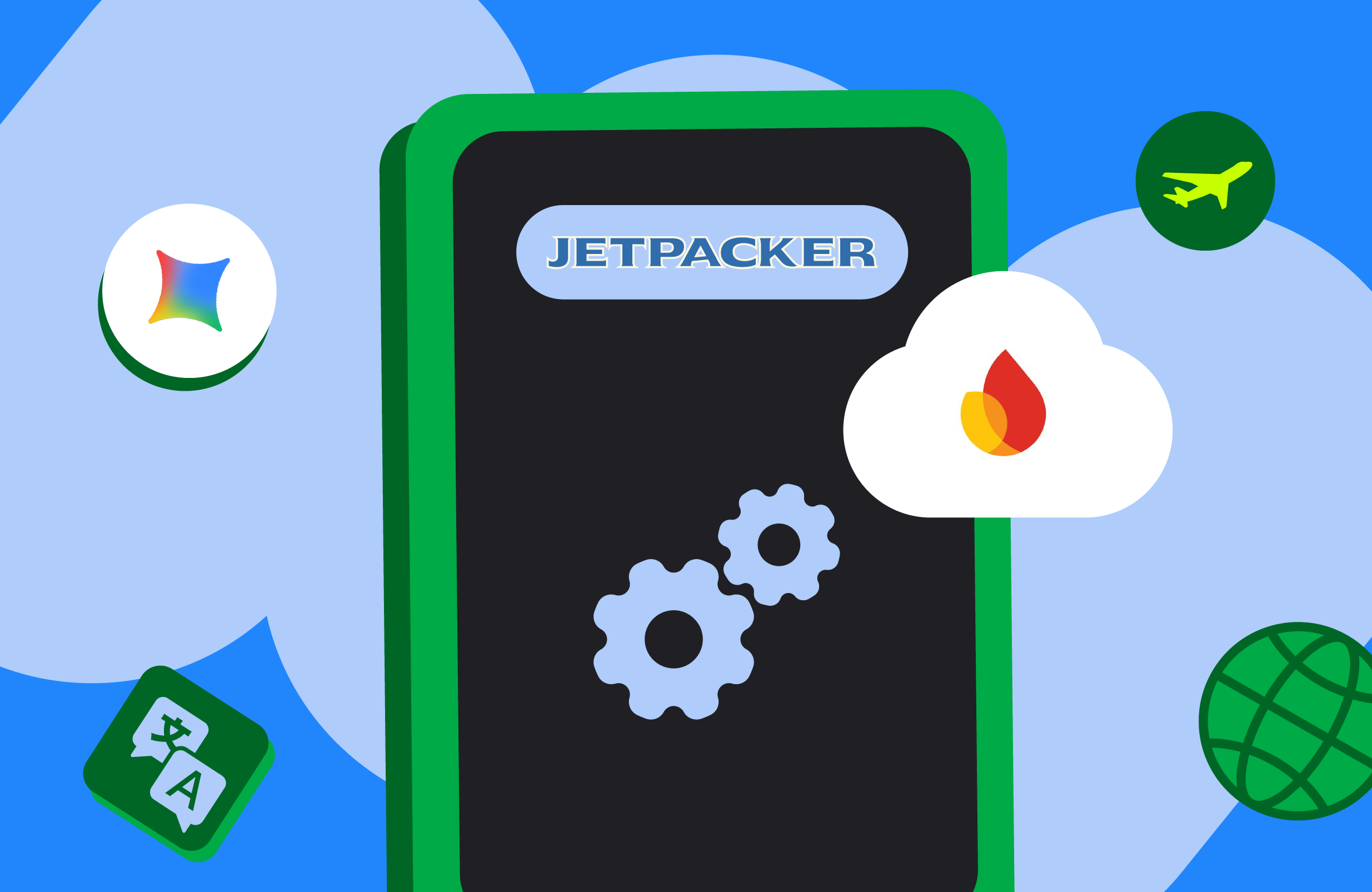
The Jetpacker app serves as an excellent example of how cloud and hybrid AI can be effectively implemented. This application includes several innovative features that enhance the user experience:
- Museum Assistant: An interactive chatbot that helps users plan their visits by providing real-time information about exhibits, opening hours, and ticket pricing. To ensure accuracy, the app uses grounding techniques that incorporate current data from museum resources.
- Restaurant Review Feature: Users can draft reviews automatically based on selected topics. This feature prioritizes local processing to enhance performance and utilizes cloud models for devices that lack the necessary capabilities.
- Hotel Support Chat: This feature allows users to finalize logistics and inquire about hotel details. By configuring a localized assistant, the app can respond in the user’s preferred language, enhancing the overall experience.
Implementing Grounding Techniques
One of the challenges in developing AI features is ensuring that the information provided is accurate and relevant to the current context. In Jetpacker, the use of grounding techniques plays a crucial role in achieving this goal. The Firebase AI Logic SDK allows developers to append specific URLs into the AI model’s prompts, ensuring that the assistant can access up-to-date information.
For instance, when a user inquires about a specific exhibit, the assistant retrieves the latest details by referencing the museum’s official resources. This method not only enhances the reliability of the information but also improves user satisfaction.
Custom Routing Logic for Enhanced User Interaction
In scenarios where complex interactions occur, such as translating messages for a hotel receptionist assistant, custom routing logic becomes essential. Jetpacker implements a sophisticated routing stack that determines whether to process requests on-device or in the cloud based on specific parameters.
This feature allows the app to identify the source language for translations and apply the appropriate processing method, ensuring seamless communication between users and service providers. By prioritizing user preferences and local capabilities, Jetpacker showcases the potential of hybrid AI in delivering personalized experiences.
Conclusion
As mobile applications continue to evolve, the integration of cloud and hybrid AI features is becoming a crucial aspect of development. By leveraging these technologies, developers can create more intelligent, responsive, and user-friendly applications that cater to the diverse needs of their audiences. The Jetpacker app serves as a testament to the power of combining on-device and cloud-based models to enhance functionality and user experience.
Source for the original facts: Original source.