Enhancing Gaming Experiences on Foldable Devices: Google Play’s New Standards
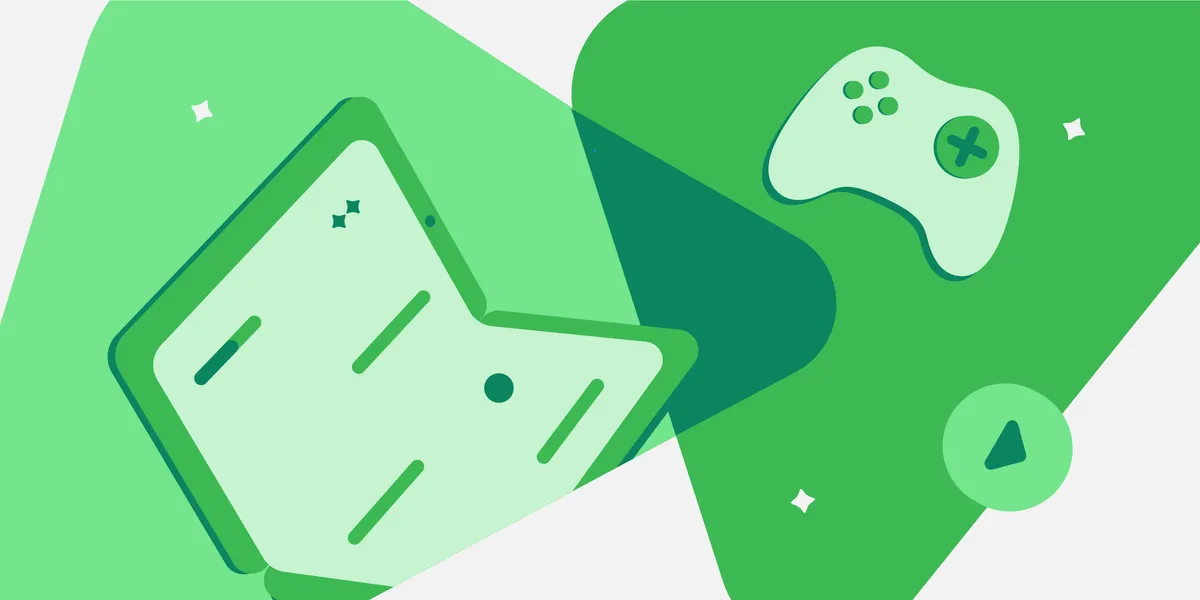
The gaming landscape is evolving rapidly, especially with the rise of foldable devices. These innovative gadgets offer gamers two distinct modes: a quick, one-handed experience for gaming on the go, and a spacious, tablet-like interface when unfolded. As players transition between these modes, they expect a seamless experience without interruptions, such as mid-game restarts or lost progress.
Seamless Transition Between Modes
To meet these expectations, game developers need to ensure that their titles handle the switch between folded and unfolded states smoothly. Fortunately, if your game utilizes a modern game engine, you may already have access to the foundational support necessary for this transition.
Google has collaborated with major game engines like Unity and Unreal to enhance native resizing and configuration-change handling. This means developers can create dynamic layouts that adapt effortlessly across various screen orientations.
New Quality Standards for Large Screens and Foldables
To ensure that games perform optimally on all devices, Google Play is rolling out new quality standards specifically for large screens and foldables. These guidelines are categorized into three progressive tiers, ranging from basic readiness to top-tier performance that distinguishes your game in a crowded marketplace.
Starting in August 2027, Google Play will enforce a minimum requirement for games to meet at least the baseline, Tier 3 (Ready) level of support for large screens and foldables. This marks a significant shift in how games will be evaluated for quality on the platform.
Preparing for Upcoming Milestones
As part of the new guidelines, developers can begin uploading screenshots tailored for foldable devices on the Play Console. As of now, you can showcase your game’s large screen capabilities. However, by April 2027, it will be mandatory to include at least three screenshots for foldable devices, alongside the standard one for phones in your game’s primary orientation.
This requirement is crucial for developers looking to publish new games or update existing store listings. The Play Console allows for the upload of dedicated screenshots that highlight both the unfolded inner displays and the folded outer screens of devices.
Future-Proofing Your Game
Planning ahead is essential for developers to keep their games optimized and compliant with these new standards. While the August 2027 milestone primarily focuses on foldables, the groundwork laid now will also facilitate easier scaling across tablets, Chromebook laptops, and other large screens as Google extends these requirements in future phases.
By delivering a seamless gaming experience on foldable devices, developers not only cater to some of the most engaged players but also position their games for success across a variety of platforms, including phones, foldables, tablets, and desktops on Google Play.
Tools and Resources for Developers
To assist developers in preparing for these changes, Google is rolling out a suite of tools and APIs designed to eliminate common obstacles and provide greater flexibility in building Android games. This includes updates that will affect how apps interact with user data, such as the WRITE_CONTACTS permission, which will no longer be available for apps targeting the upcoming Android release.
By leveraging these resources and adhering to the new quality standards, developers can ensure they are delivering the premium gaming experiences that users expect across every screen size.
Source for the original facts: Original source.