Unlocking AI Potential with Googlebook’s Linux Terminal Preview
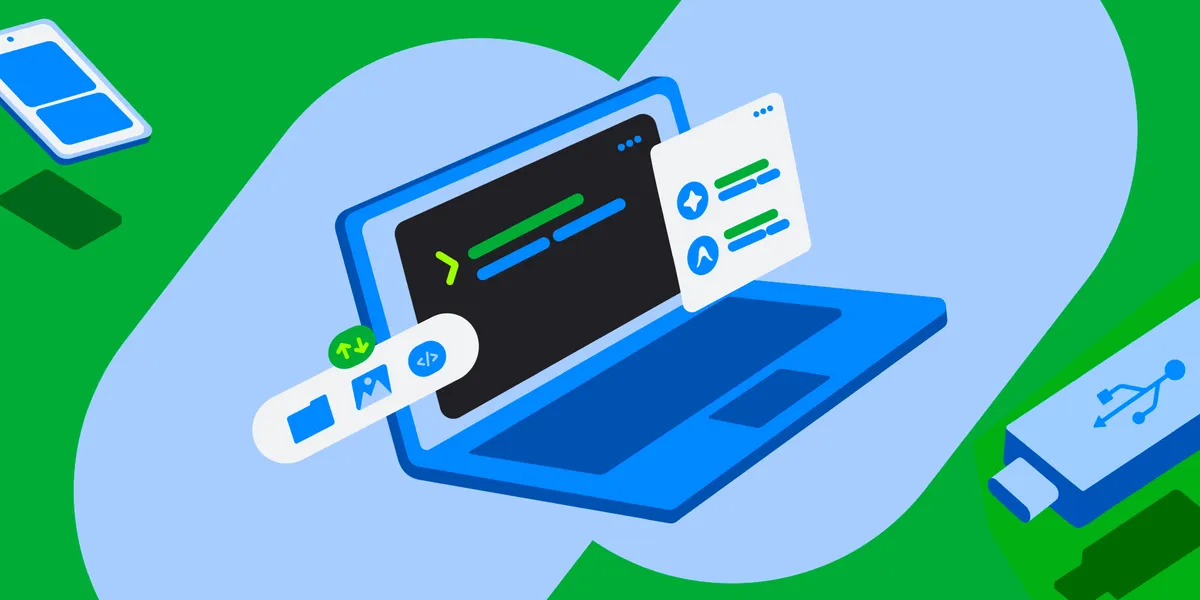
In an era where artificial intelligence (AI) is becoming integral to various workflows, having access to a command line terminal is essential, even for those who may not identify as developers. Googlebook is stepping up to the plate by offering a Linux terminal environment that caters to both novice and experienced users, designed to facilitate AI-driven tasks and development.
What is Googlebook?
Googlebook is a new category of laptops that leverage a shared Android foundation, combining the convenience of mobile technology with the power of desktop computing. Developed in collaboration with leading hardware partners like HP, Dell, Lenovo, Acer, and Asus, Googlebook aims to enhance user productivity through a seamless integration of software and hardware.
Features of the Linux Terminal
The newly introduced Linux terminal in Googlebook is currently available in preview mode and comes with a host of features aimed at streamlining the development process. Here are some key highlights:
- Pre-installed Tools: Users can dive right into their projects, thanks to a selection of pre-installed tools that facilitate immediate productivity.
- AI Integration: The terminal is designed to work effectively with AI agents, allowing for the installation of packages, file management, automation of tasks, and app creation based on simple prompts.
- Security Measures: The Googlebook OS employs a defense-in-depth architecture, ensuring that all terminal commands run within a secure Linux virtual machine (VM). This isolation minimizes the risk of system corruption and unauthorized access to files.
- Easy File Access: Users can access Linux files through the Googlebook Files app, making it easy to manage local folders and sync files from their Android devices.
- Flexible Memory Allocation: The VM allows users to adjust memory allocation, optimizing performance based on specific workload requirements.
- Rapid Prototyping: The terminal is optimized for various workflows, including web development and scripting, with support for modern runtimes like Node.js, Python, Ruby, Go, and Rust.
Future Developments and Roadmap
As Googlebook continues to evolve, the team is focused on enhancing the Linux terminal’s capabilities. Future updates will include:
- Support for Linux GUI applications integrated directly into the app launcher.
- Further optimizations for agentic workflows and development tools.
- Increased collaboration with users to refine and improve the terminal experience.
Why Googlebook Stands Out
The introduction of the Linux terminal on Googlebook signifies a significant advancement in how users can interact with AI and development tools. The combination of a user-friendly interface and powerful backend capabilities positions Googlebook as a versatile platform for both casual users and seasoned developers. By prioritizing security and ease of use, Googlebook is creating an environment where creativity and productivity can flourish.
With Googlebook, users are not just passive consumers of technology; they are empowered to create, innovate, and explore the frontiers of AI development. The potential for personalized app creation and specific tool development is vast, and the community’s feedback will play a crucial role in shaping the future of this platform.
For those eager to dive into this new ecosystem, Googlebook offers a unique blend of performance, flexibility, and security, making it an exciting choice for anyone looking to harness the power of AI in their workflows.
Source for the original facts: Original source.